

Published by the Radical Life Studios / MTB Report
E-bike theft remains one of the biggest concerns for riders worldwide. At CES, Bosch eBike Systems presented a new digital theft-protection feature that could fundamentally change how stolen e-bikes are handled on the market.
Rather than focusing solely on tracking or alarms, Bosch is targeting the real driver behind e-bike theft: resale value.
🔐 Stolen E-Bikes Become Digitally “Locked Out”
Starting in early 2026, Bosch smart-system users will be able to digitally mark their e-bike or battery as stolen via the Bosch eBike Flow app.
Once marked:
- The stolen status is stored centrally within the Bosch system
- Any attempt to connect the bike or battery to the Bosch ecosystem triggers a theft warning
- Software access, updates, and system services are restricted
This applies across:
- authorized Bosch dealers
- service workshops
- diagnostic tools
- app-based system connections
In short: a stolen Bosch-powered e-bike becomes extremely difficult to resell or service.
📉 Why This Hits Thieves Where It Hurts
Most professional e-bike theft is not about joyriding.
It’s about profit.
By making stolen bikes and batteries visibly flagged and digitally restricted, Bosch dramatically reduces their attractiveness on the second-hand market. Buyers and workshops are immediately alerted when a flagged component is connected.
That alone doesn’t prevent physical theft — but it significantly lowers the incentive behind it.
⚙️ How the System Works
Bosch’s approach is based on component-level digital identity:
- Motors, batteries, and displays are registered to a user profile
- Theft status is cloud-based and tied to the Bosch smart system
- Only the registered owner can remove the stolen flag
There is no simple reset, no local workaround, and no anonymous reactivation.
For workshops and dealers, the system provides clear warnings rather than silent failures — an important step for transparency and legal certainty.
🧰 Benefits for Riders, Dealers, and the Industry
The feature is delivered free of charge via the Flow app, reinforcing Bosch’s strategy of making digital security a standard feature rather than a premium add-on.
Who benefits:
- Riders: reduced resale risk for stolen bikes
- Dealers & workshops: clear theft alerts in diagnostic systems
- Second-hand buyers: easier verification of bike status
- Fleet and rental operators: optional remote deactivation for non-returned bikes
This creates a stronger ecosystem response to theft — not just individual protection.
🌍 What This Means for the E-Bike Market
Bosch’s move signals a shift in how the industry approaches theft prevention.
Instead of relying solely on physical locks or GPS trackers, digital identity and system-level restrictions are becoming central tools. If similar solutions are adopted more widely, the resale market for stolen e-bikes could shrink significantly.
That’s good news for riders — and bad news for organized theft networks.
Bottom Line
Bosch’s digital theft protection won’t stop every bike from being stolen.
But it attacks the economic foundation of e-bike theft — and that’s a crucial step forward.
By making stolen bikes digitally traceable, restricted, and visibly flagged within the service ecosystem, Bosch is setting a new benchmark for e-bike security.
- Paganella Part 1: The New TOP GUN Trail & Why I Skipped Lake Garda | #MTBlife S04E13

- The Million-Dollar Trail Town – and the Ban That Nearly Killed the Model
- MTBlife S04E09 | 3-Länder Enduro Trails Nauders – Ein Tag, drei Länder, ehrliche Trails
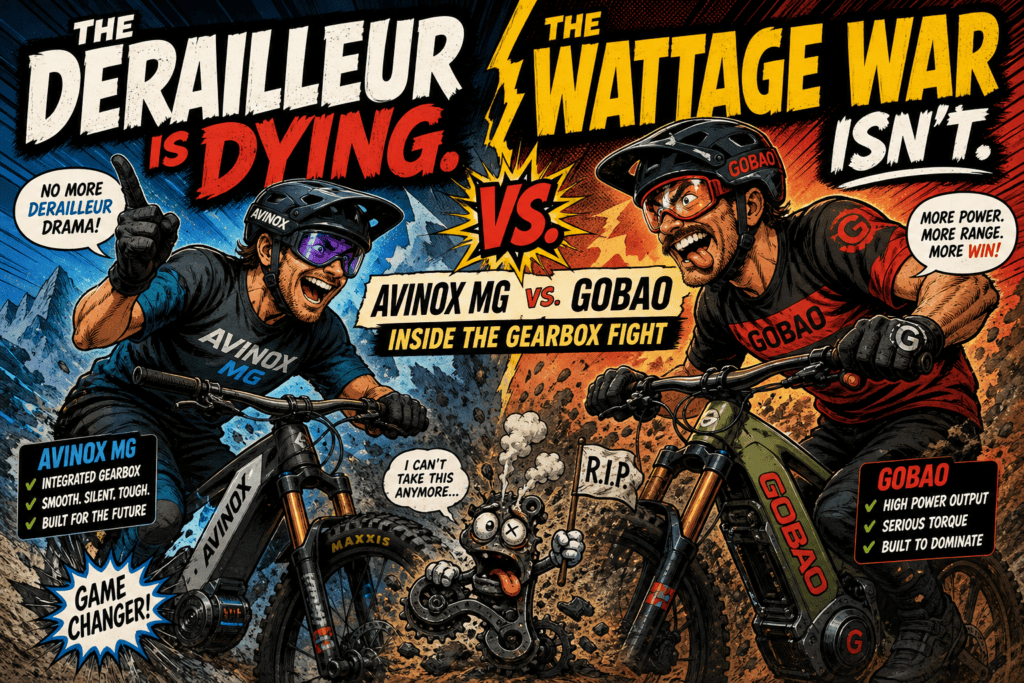
- The Derailleur Is Dying. The Wattage War Isn’t. Avinox MG vs. Gobao – Inside the Gearbox Fight
- Zugspitzpark Ehrwald – The Complete Guide for Your Visit
- Tiroler Zugspitz Arena MTB Geheimtipp am Fuß der Zugspitze – Biberwier & Lermoos #MTBlife
- Größter Indoor-Bikepark der Welt – die unglaubliche Geschichte von Ray Petro
- #MTBlife S04E04 — Bikepark Albstadt: Small, Honest, Weatherproof
- Atemberaubende FPV-Drohnenaufnahme zeigt Red Bull Hardline aus völlig neuer Perspektive
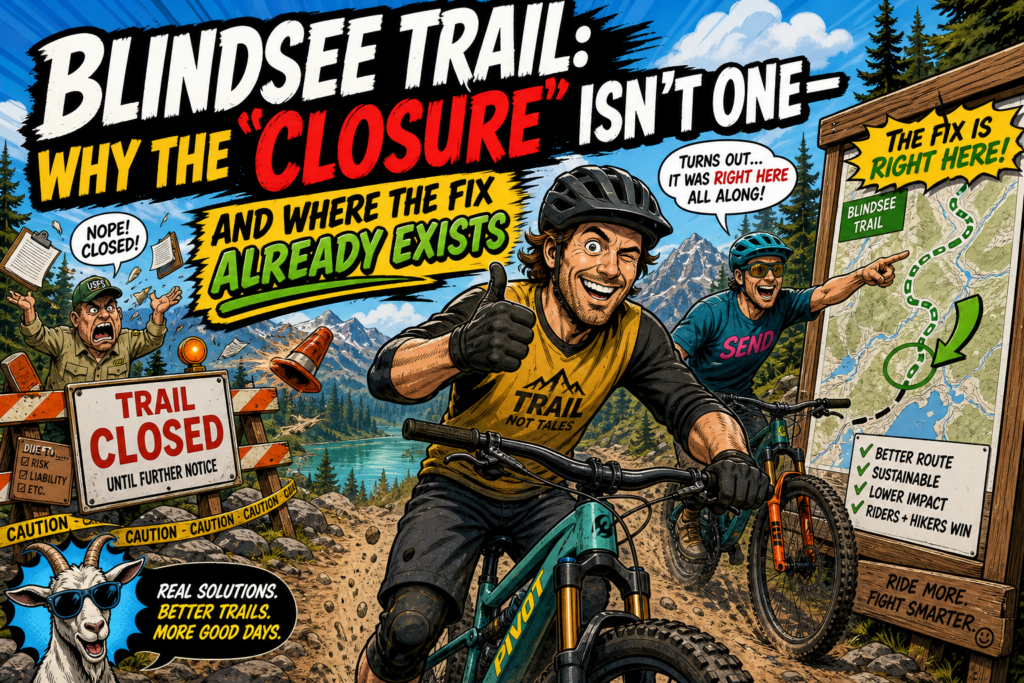
- Blindsee Trail: Why the “Closure” Isn’t One — and Where the Fix Already Exists
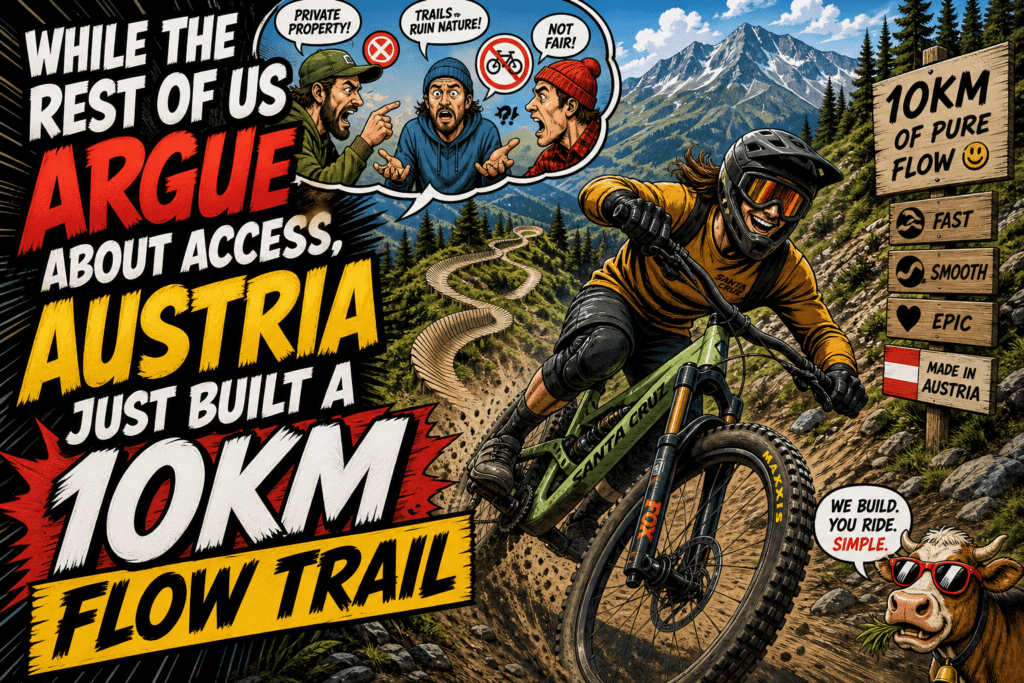
- While the rest of us argue about access, Austria just built a 10km flow trail
- A World-Class Alpine Trail Is Being Killed Off – And the Reason Should Worry Every Rider








No responses yet