

Mountain biking in the canton of Zurich has reached a new milestone. With the adoption of a comprehensive Mountain Bike Concept, Zurich has taken a decisive step toward legal clarity, long-term planning, and real recognition of mountain biking as a legitimate outdoor activity. For many riders, this is more than bureaucracy — it’s a breakthrough.
What’s new? Legal clarity at last
At the heart of the concept lies a simple but powerful principle:
Mountain biking is officially permitted on all paths shown on Swisstopo maps, unless a specific local ban applies.
This may sound obvious to many riders, but legally and politically, it’s a big deal. What has long been lived reality for the MTB community is now clearly acknowledged by the authorities. Ambiguity gives way to transparency — and that alone reduces conflict.
From tolerance to strategy
The Zurich MTB Concept goes far beyond confirming access. It introduces a strategic framework for the future of mountain biking in the canton:
- Designated focus areas: In 19 defined regions, trail infrastructure, routing and signage will be actively developed. The goal is not restriction, but smart guidance — concentrating use where it makes sense and protecting sensitive areas where needed.
- Public investment: Around 800,000 CHF per year are earmarked for trail construction, maintenance and signage. That’s not symbolic funding — it’s a commitment.
- Cooperation over confrontation: Cantonal authorities, municipalities and local trail groups are expected to work together. This is a clear move away from top-down regulation toward shared responsibility.
Why the MTB community is celebrating
For riders, clubs and associations, this concept represents a long-awaited shift in mindset:
- Mountain biking is no longer treated as a tolerated disturbance, but as a recognized form of outdoor recreation.
- The concept openly acknowledges the scale of the scene — an estimated 180,000 mountain bikers in the canton alone.
- Instead of reacting to conflicts, Zurich is proactively planning infrastructure that benefits everyone: riders, hikers, landowners and nature alike.
In short: less grey area, more trust.
Freedom comes with responsibility
The concept is clear about one thing: freedom does not mean chaos.
Wild, unofficial trails outside mapped paths are not legalized by this move. Respect for nature, seasonal restrictions, and consideration for other trail users remain central pillars of the strategy. The message is balanced and mature: ride freely, but responsibly.
A model for others?
What Zurich has done could serve as a blueprint far beyond cantonal borders. Many regions struggle with the same issues: unclear rules, growing user numbers, and unnecessary conflicts. Zurich shows that legal clarity and active trail development can go hand in hand — without turning forests into no-go zones or bike parks only.
Conclusion
The Zurich MTB Concept is not about “giving bikers everything.”
It’s about acknowledging reality, setting clear rules, and building a sustainable future for mountain biking.
For riders, it means confidence instead of doubt.
For planners, it means structure instead of firefighting.
For the sport, it’s a strong signal: mountain biking belongs.
And that’s something worth cheering for.
- Paganella Part 1: The New TOP GUN Trail & Why I Skipped Lake Garda | #MTBlife S04E13

- The Million-Dollar Trail Town – and the Ban That Nearly Killed the Model
- MTBlife S04E09 | 3-Länder Enduro Trails Nauders – Ein Tag, drei Länder, ehrliche Trails
- The Derailleur Is Dying. The Wattage War Isn’t. Avinox MG vs. Gobao – Inside the Gearbox Fight
- Zugspitzpark Ehrwald – The Complete Guide for Your Visit
- Tiroler Zugspitz Arena MTB Geheimtipp am Fuß der Zugspitze – Biberwier & Lermoos #MTBlife
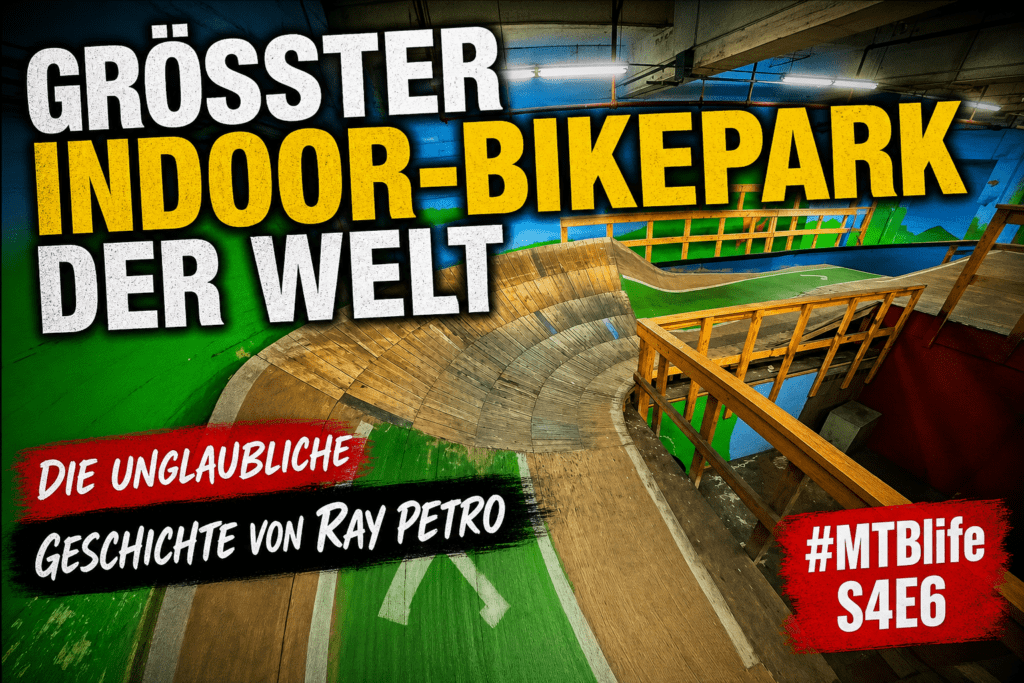
- Größter Indoor-Bikepark der Welt – die unglaubliche Geschichte von Ray Petro
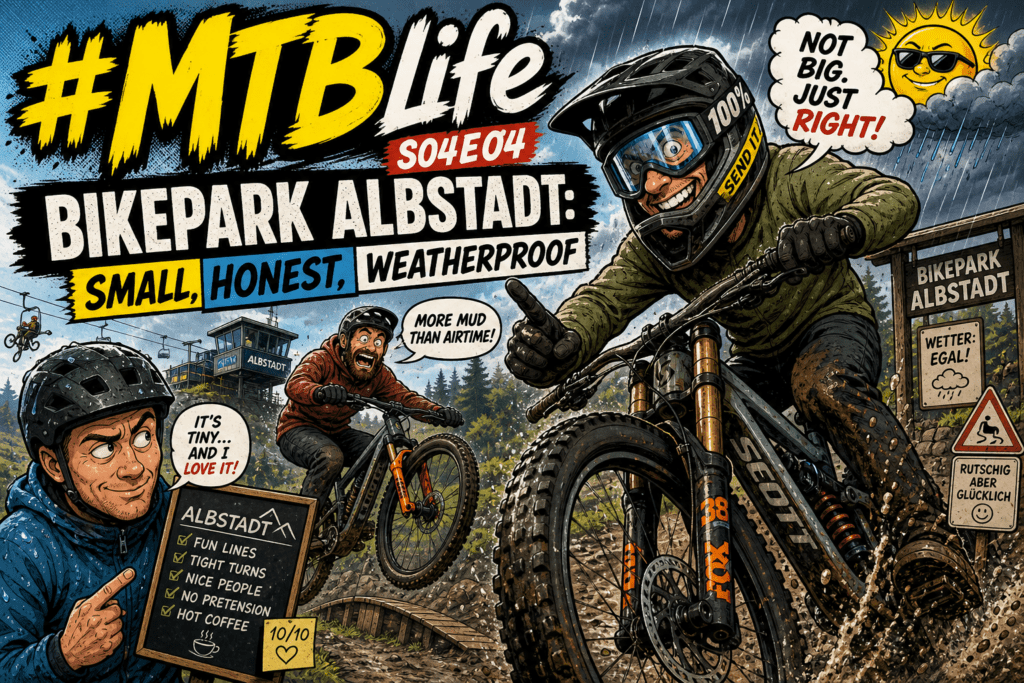
- #MTBlife S04E04 — Bikepark Albstadt: Small, Honest, Weatherproof
- Atemberaubende FPV-Drohnenaufnahme zeigt Red Bull Hardline aus völlig neuer Perspektive
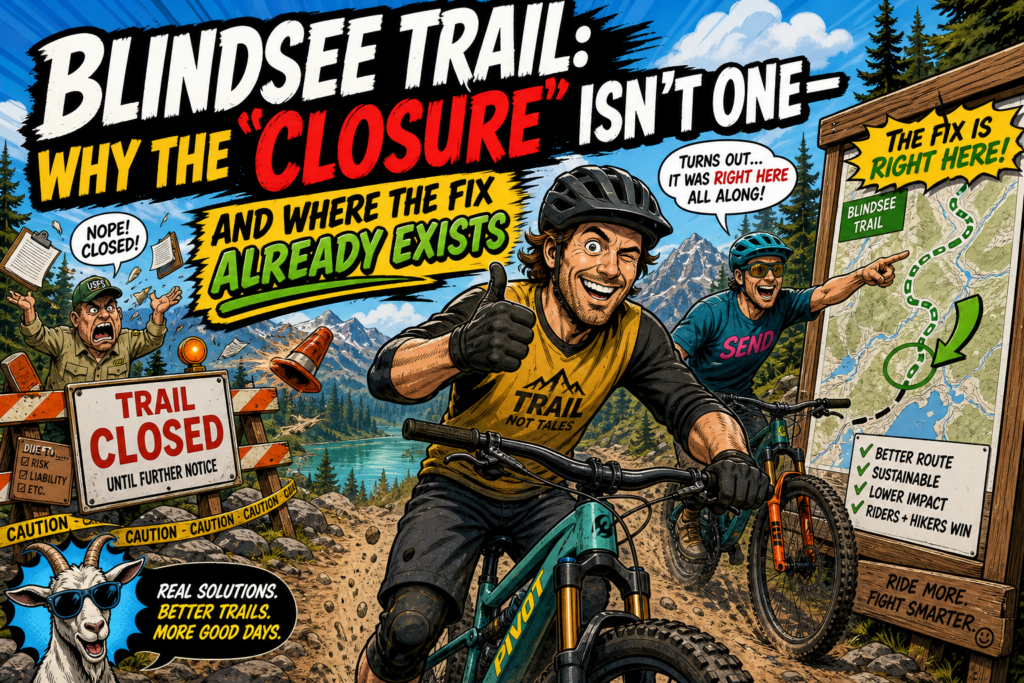
- Blindsee Trail: Why the “Closure” Isn’t One — and Where the Fix Already Exists
- While the rest of us argue about access, Austria just built a 10km flow trail
- A World-Class Alpine Trail Is Being Killed Off – And the Reason Should Worry Every Rider


No responses yet